
“At heart, science is the quest for awesome. The literal awe that you feel when you understand something profound for the first time.”
— Sean Carroll
Portfolio
Join me for an online talk with KORTIZES to explore the interplay between our bodies, cognition, and physics 💫
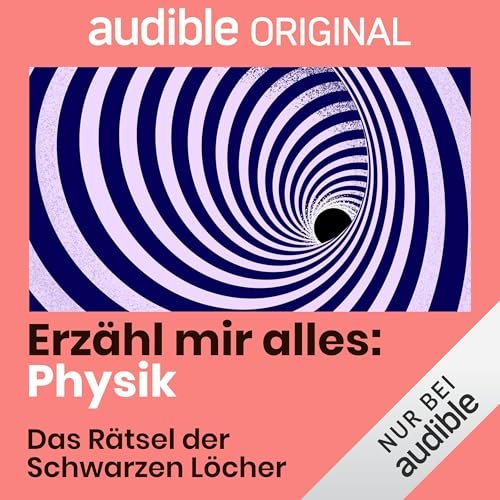
Boom – we have just launched “Erzähl mir alles: Physik” (Tell me everything about physics), a fun new audio format on Audible 💥
Why is physics so mathematical? And do we discover mathematics in nature, or do we invent it to describe the world around us? Join me and the team from "Sag mal du als Physiker" as we explore these questions at the intersection of physics and philosophy 🤓

What happens when good ideas lead physicists down the wrong path? In my latest podcast episode with Sag mal du als Physiker, we explore thought experiments that have led brilliant minds astray – from Maxwell's demon to Heisenberg’s microscope 🤓
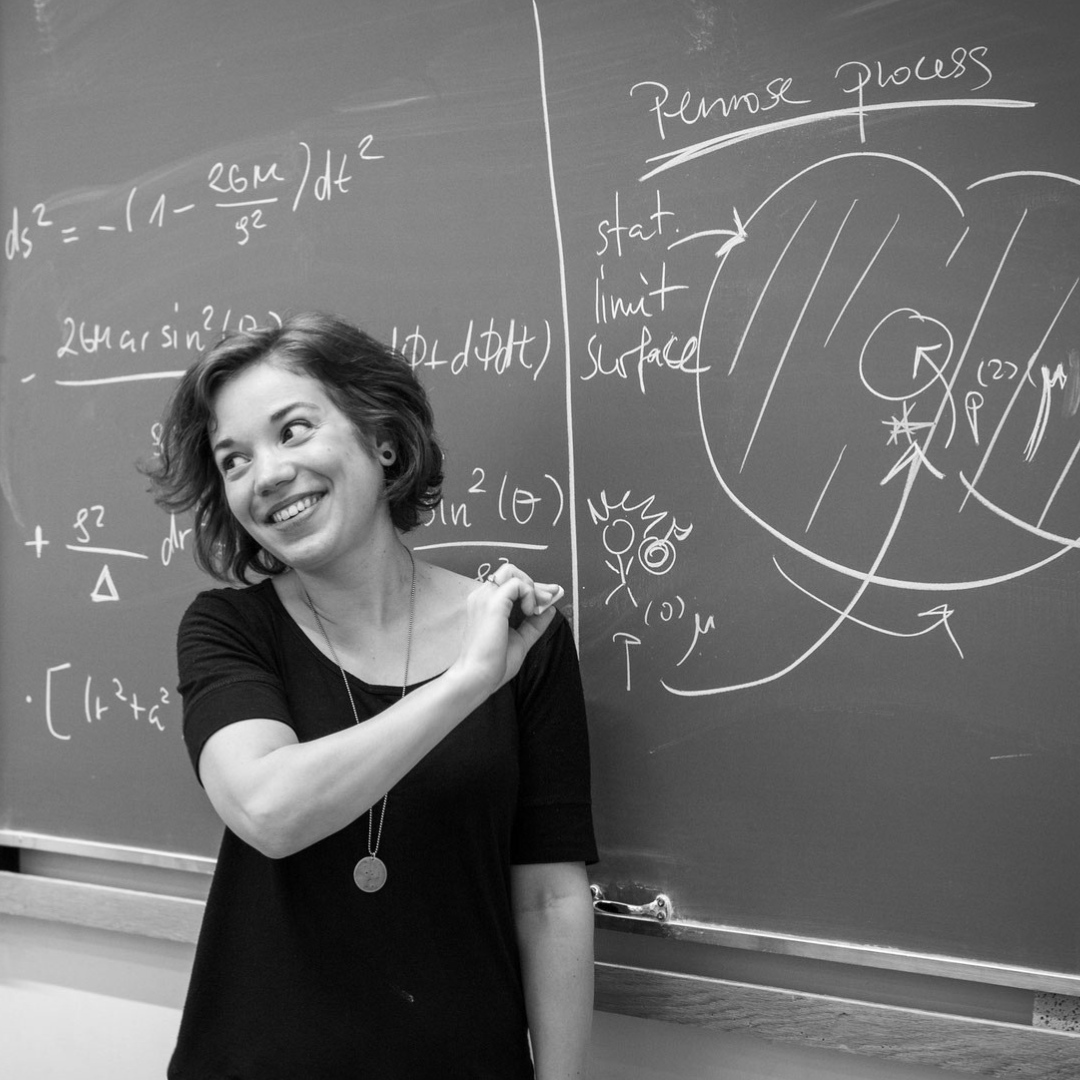
From chalk-dusted blackboards to embodied cognition research: A personal reflection on crossing disciplinary boundaries and finding unexpected career paths 🤓
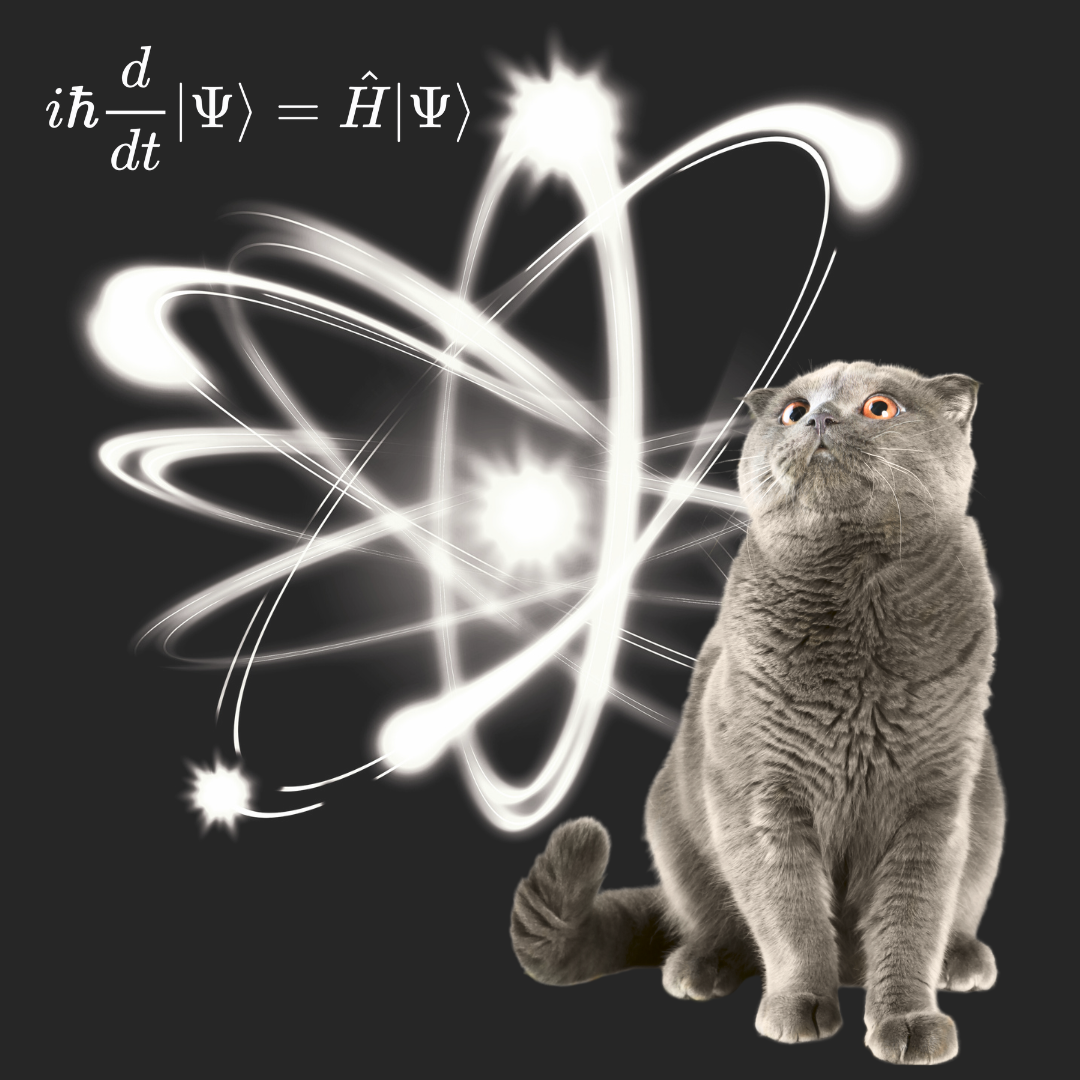
What if thought itself could be a laboratory? In my latest podcast episode with the wonderful team from Sag mal du als Physiker, we explore how simple "what if" questions have revolutionised physics 💫
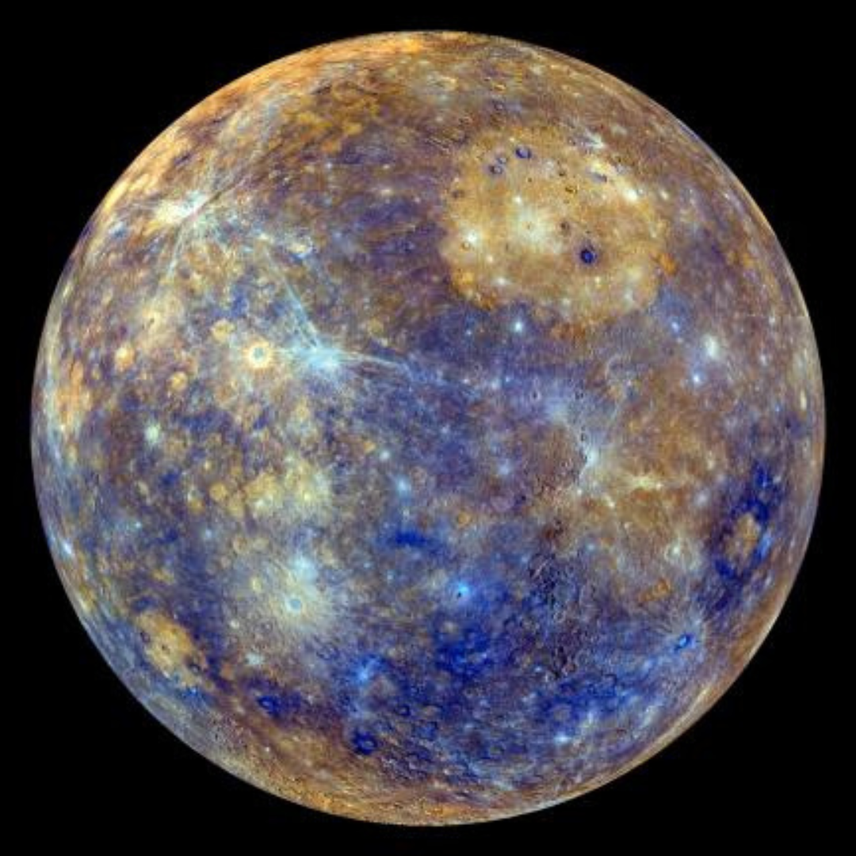
Models are at the core of scientific inquiry. In my latest piece for the Norwegian Centre for Science Education, I use the history of gravity as a case study to illustrate how models become crucial tools in advancing scientific knowledge 🤓
Even Indiana Jones might feel a twinge of jealousy! Alongside the team from Sag mal du als Physiker, I embarked on a quest for the holy grail of physics - the legendary theory of everything. If you're a German speaker, tune into the episode 🤠
What do you think about the different interpretations of quantum physics? And which one is your favourite? This is a deeply personal, sometimes delicate issue among physicists – and one that I explore in the latest episode of "Sag mal du als Physiker" 🤓
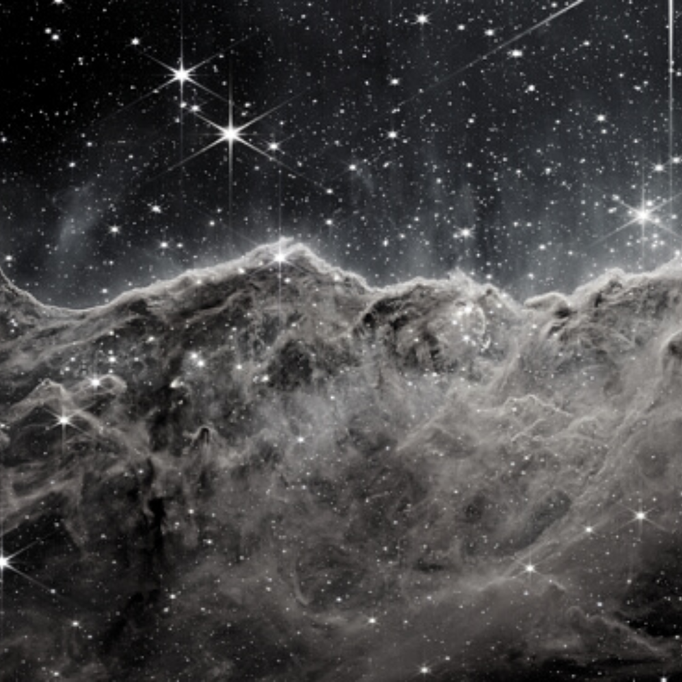
How do science education, science communication, and public outreach intersect and overlap? And how do our evolving education and communication practices affect our understanding of science and its place in society? Together with Urban Eriksson, I wrote a feature for CERN Courier reflecting on these questions 📣
Introducing “City-Lab: Galileo”, a podcast project merging theatre with astrophysics, all set against the backdrop of Bertolt Brecht's play “Life of Galileo”. Tune into our kick-off episode with former Head of Science at NASA, Thomas Zurbuchen 🚀
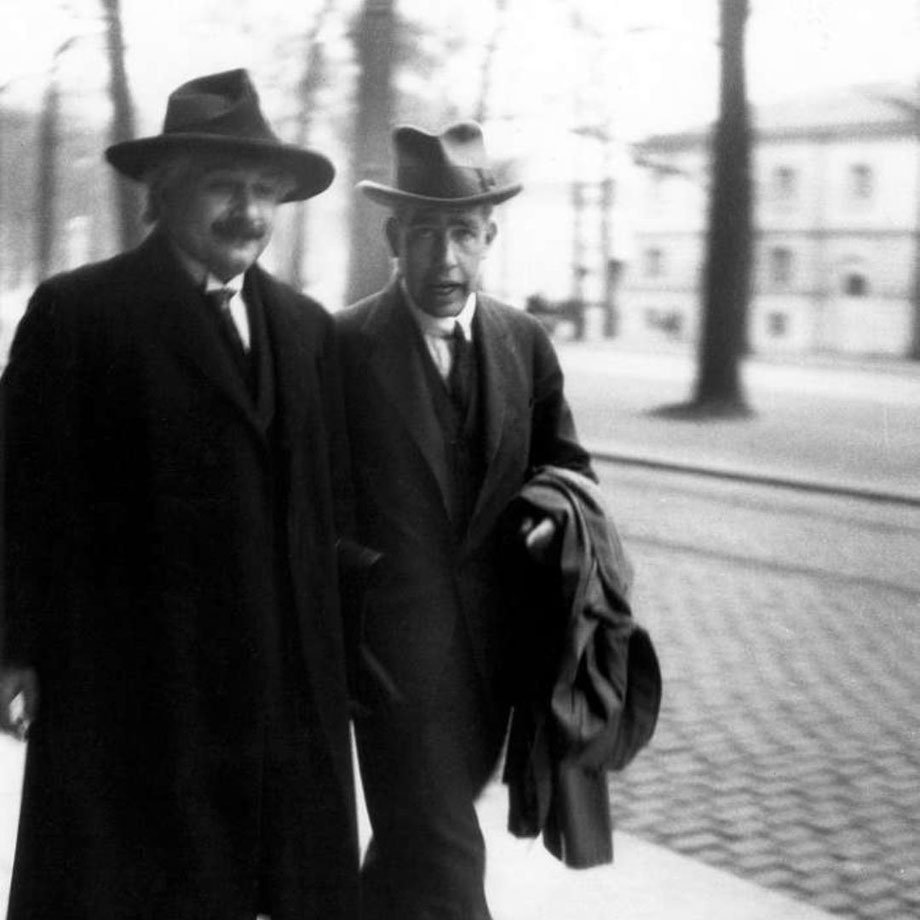
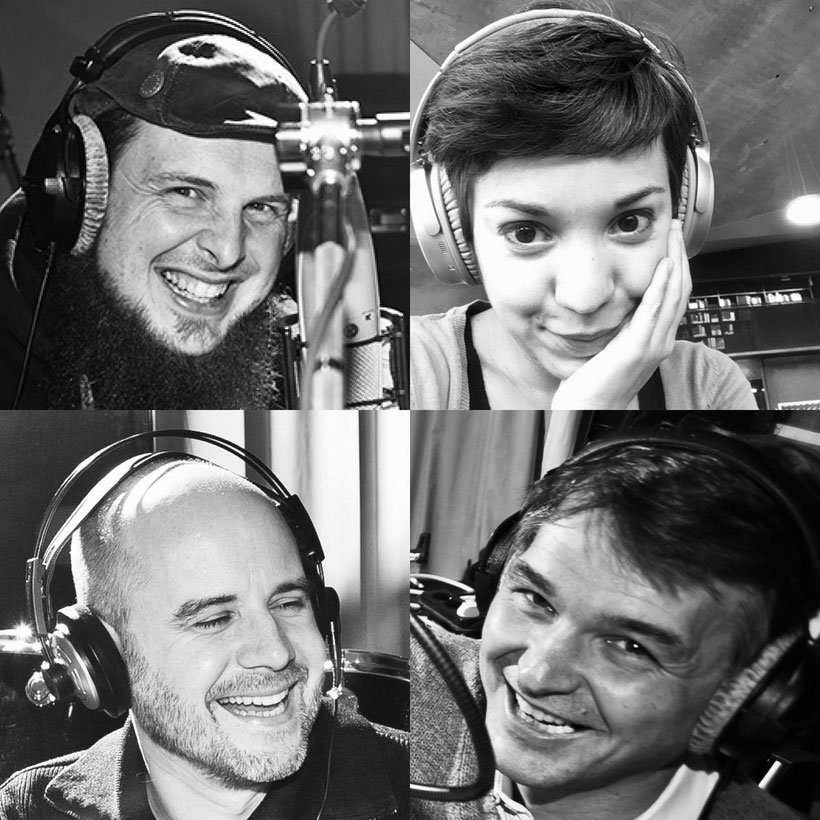
What are the links between quantum physics and our understanding of reality? I welcomed Michael, Johannes, and Jens from the German physics podcast "Sag mal du als Physiker" in Copenhagen, the birthplace of Niels Bohr. Tune in to our episode 🤓
Many have rather bad memories of their physics classes in school. But why? Is it the subject, the curricula or maybe the teaching methods? And what can we do to change that? I joined German podcast "Sag mal du als Physiker" to discuss physics education in schools 🎙
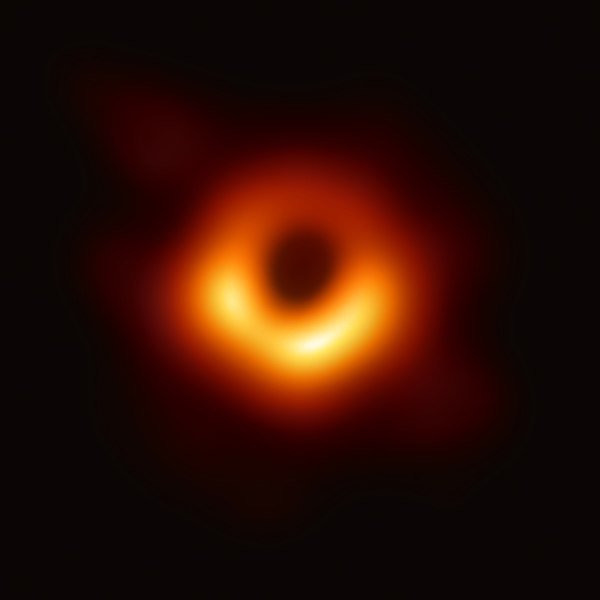
Black holes sound like objects from a science fiction story! Matteo Luca Ruggiero and I wrote an explainer that was reviewed and edited by kids via Frontier for Young Minds. How cool is that? Please share with the kids in your life and let us know what you think 🤓
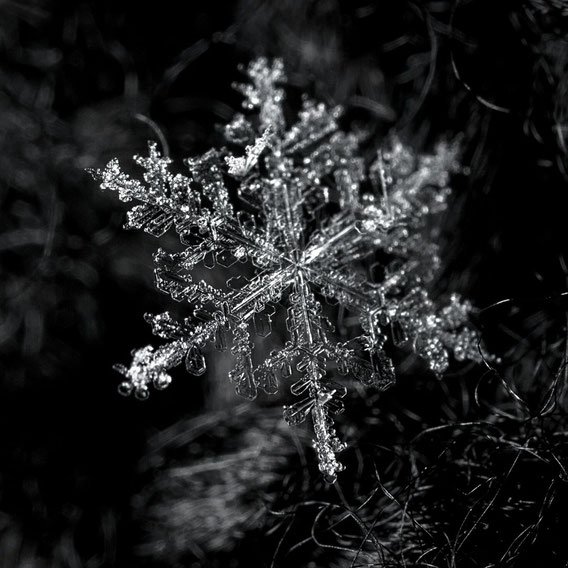
What do snowflakes & snail shells have in common? They exhibit symmetries - and so do the laws of nature! German physics podcast Sag mal du als Physiker invited me to join them for an episode where symmetries lead us to one of the most elegant theorems in theoretical physics ❄️
The Science Show on ABC featured a short radio piece on Einstein-First and our book "Teaching Einsteinian physics in schools". We discuss the role of educational research and how Einsteinian physics can greatly motivate students. Give the show a listen!
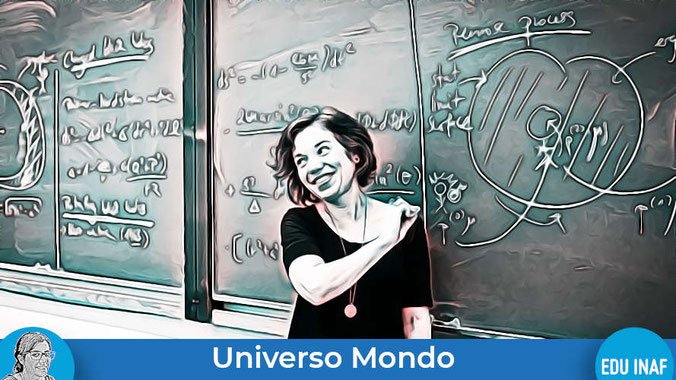
How do I combine my love for physics & science communication in my research? What does physics education research actually look like? And why does Einsteinian physics motivate students? Claudia Mignone interviewed me about all things relativity, education & creativity for EduINAF 🚀
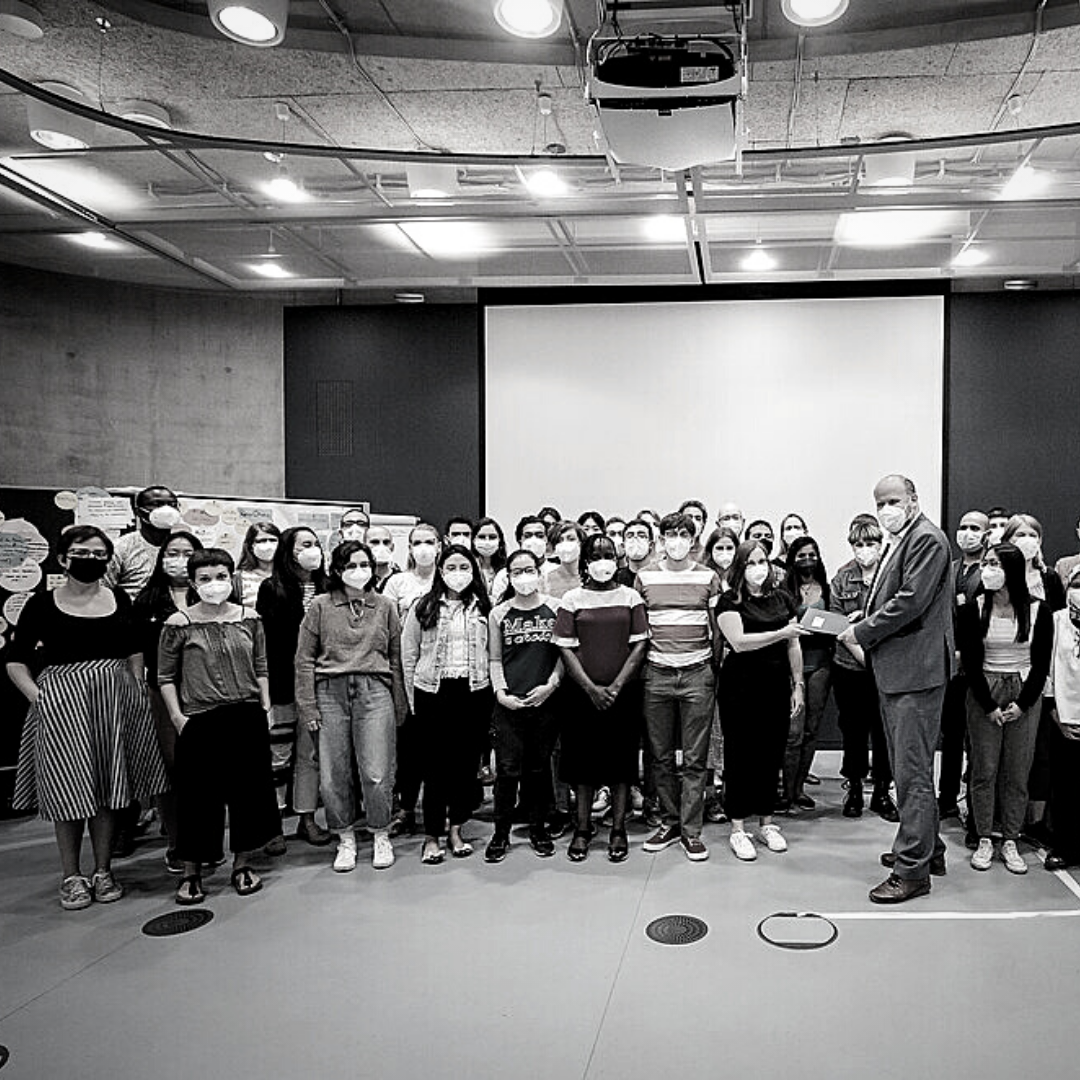
I feel happy and honoured that I was one of 50 early career researchers who participated at the International Summer School Communicating Science. The future of science communication looks bright!
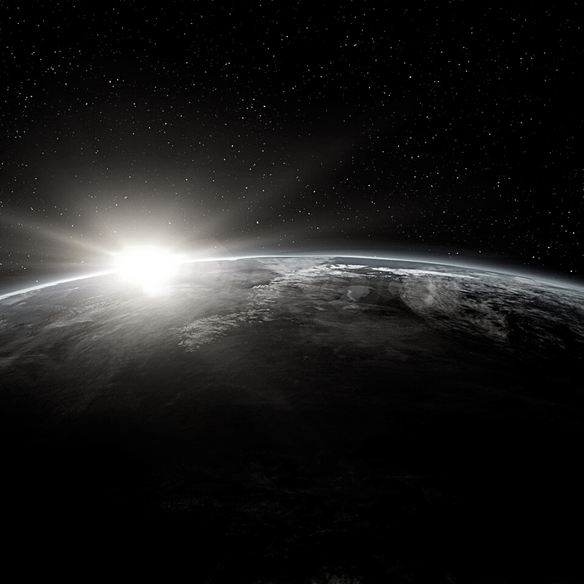
The New Philosopher chose my piece "Spaces without and within" as the runner-up for their writers' award. Check out the upcoming issue "Identity" to find my musings on space & how space enables and restricts our abilities to make sense of the cosmos 👩🚀
Whoop whoop, I won the Writers' Award of my favourite philosophy magazine, the New Philosopher. My piece "The interplay between nature and ourselves" draws on quantum mechanics to explore the centrality of human perception in our attempts to understand the world 🤓
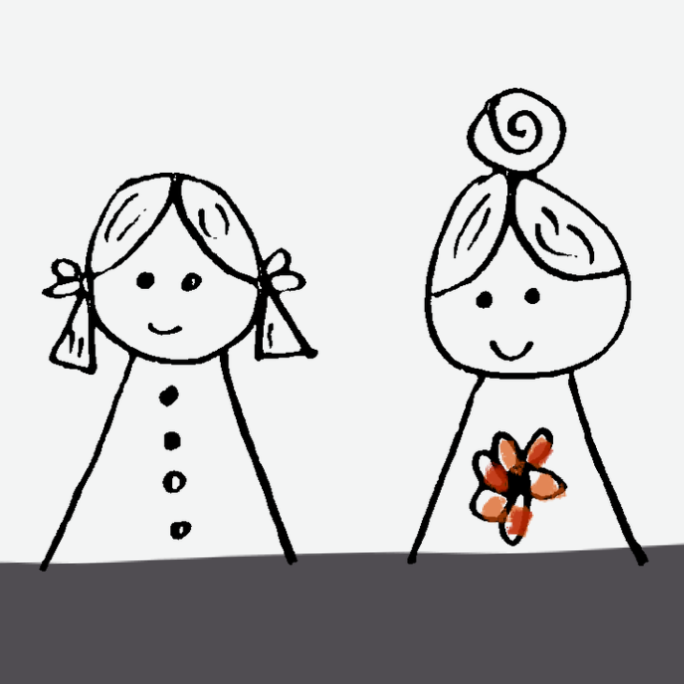
I'm happy to see my study on girls' attitudes towards Einsteinian Physics as part of the Royal Astronomical Society's Early Career Poster Exhibition. Check out the fantastic work done by so many talented students and researchers in astronomy and space science.
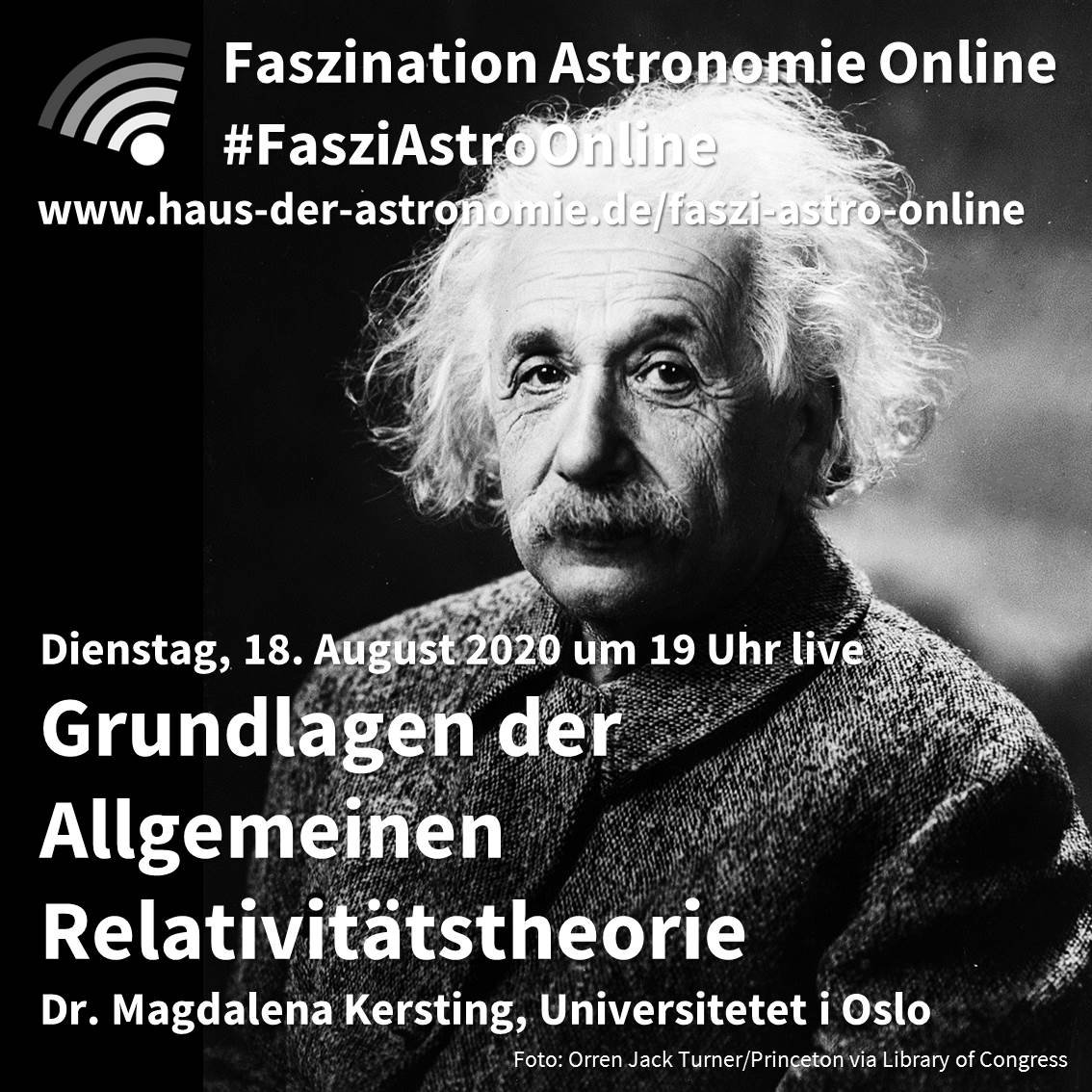
I'm excited to give a public talk on the foundations of general relativity as part of the online series "Faszination Astronomie Online" hosted by Haus der Astronomie, Center for Astronomy Education and Outreach. The talk is in German and will be live-streamed Tuesday, August 18th 2020, 7pm CEST.
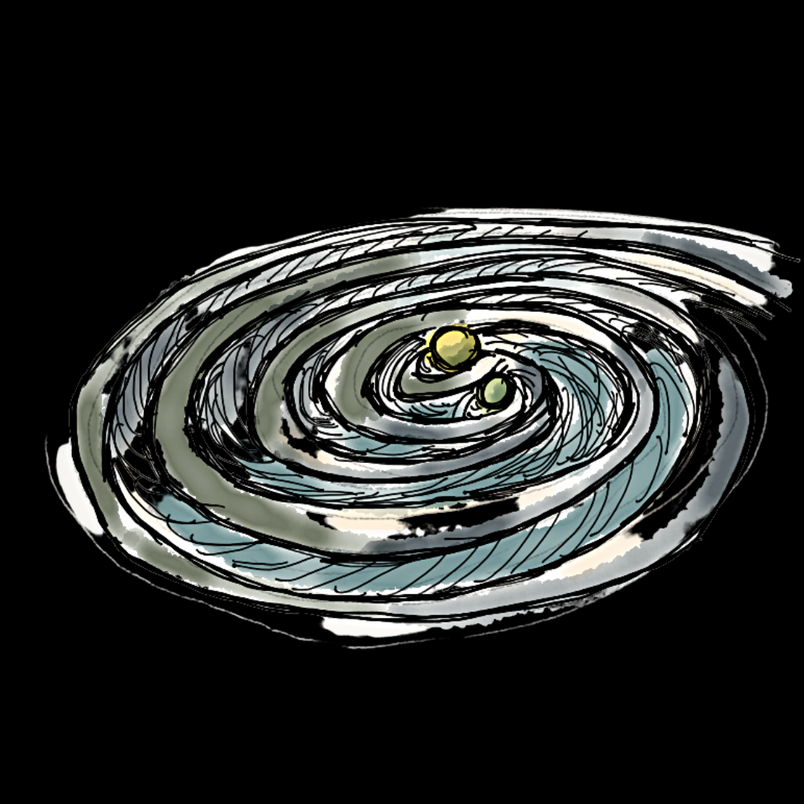
What can we learn from gravitational wave observations? Jens Kube and I have written an article about the first catalogue of cosmic collisions and the enormous scientific potential of these observations.
A popular analogy compares the geometry of curved spacetime to a rubber sheet. Yet, science educators have shown that this representation can get in the way of a more abstract understanding of Einstein’s theory of gravity. The findings hint to a deeper mechanism about how human cognition works.

I recently moved to the other end of the world in the name of science. Join me on my academic adventures on my travel blog hosted by Titan, the science magazine of the University of Oslo 🌏
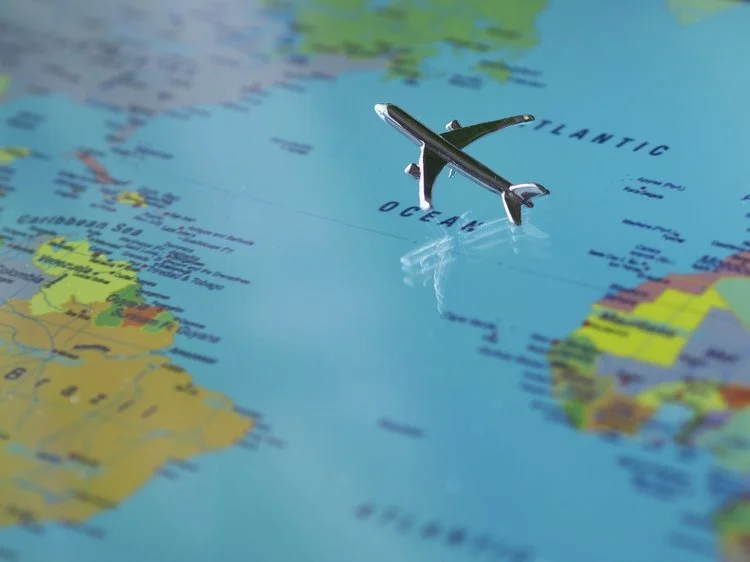
In curved spaces, geometry can play tricks on you. And tricky geometry lies at the heart of Albert Einstein’s theory of general relativity. I wrote a feature for Lateral Magazine mapping out a geometric way of teaching relativity.
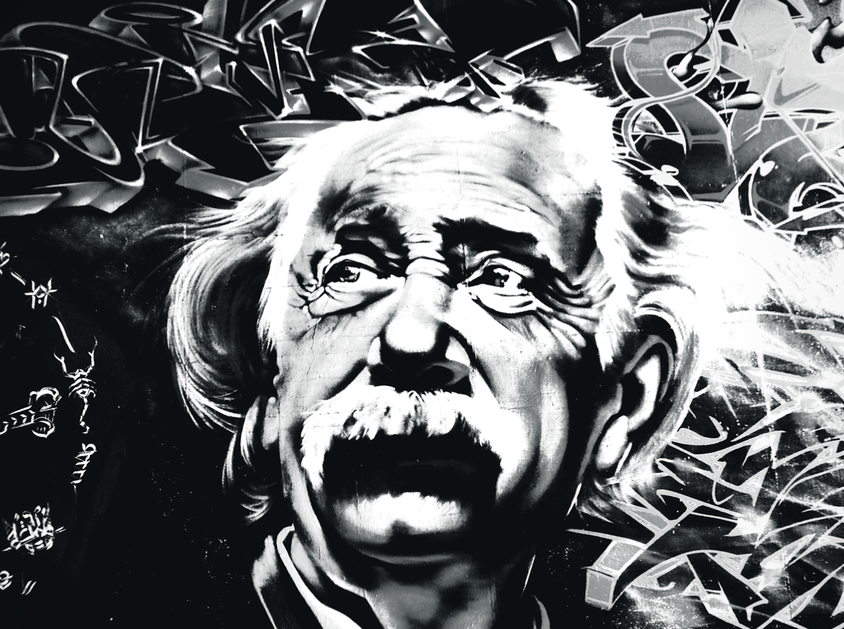
Despite our better knowledge, physics in schools is still taught from an outdated 19th century point of view. I think students should learn about curved space and warped time from an early age. Why? Take a look at my article on Titan.
I communicate science with enthusiasm and clarity, always connecting the dots - between physics and philosophy, science and society, abstract concepts and everyday experience.
These days, you'll mostly find me on Erzähl mir alles: Physik (Tell me everything about physics), a German podcast where we untangle questions like "What would actually happen if you flew into a black hole?!" It's the perfect excuse to tell physics stories and geek out about how the universe works. I'm also involved in other science communication formats, from writing to public speaking.
Let’s collaborate
I work with media outlets, educational institutions, and science organisations to make physics accessible and engaging. I'm particularly interested in projects that:
Explore modern physics (relativity, quantum mechanics, astronomy) for general audiences
Bridge physics and cognitive science
Experiment with different communication formats and approaches
Support researchers and academics in developing their science communication skills
Whether you're looking for articles, podcast appearances, keynote talks, workshop facilitation, or advisory work, I'd love to hear from you 🤓
What does the world look like when every button you press becomes an energy flow? And in how many dimensions do we actually live? Two new physics audiobooks for your summer 🎧