
“Taste and style are as important in scientific research as they are in literature, art, and music.”
— Chen Ning Yang
〰️
My signature style of doing research is collaborative, across disciplinary boundaries, and in close partnership with practitioners.
〰️ My signature style of doing research is collaborative, across disciplinary boundaries, and in close partnership with practitioners.
Disciplinary focus
Physics is where abstract concepts push human cognition to its limits, and it is where my research began. Topics of modern physics such as relativity, astronomy, and quantum physics remain a natural proving ground for my work. However, my current research spans science and STEM education more broadly, from primary classrooms to university laboratories.
Theoretical lens
How do embodied experiences shape scientific understanding? How does our bodily engagement enable – and restrict – our ability to think scientifically? Embodied cognition lets me explore how scientific concepts arise from our bodies and lived experiences, as well as from the material environments and social interactions in which we learn.
Methodological approach
My methodological expertise combines design-based research and participatory design with different types of video analysis, including multimodal interaction analysis and video observation manuals. Besides, I value synthesis work, such as systematic reviews and dialogues between research traditions, to make our field more cumulative.
Research interests
-
I study how students develop conceptual understanding of relativity, quantum physics, and astronomy, often through an embodied cognition lens. I also design instructional models and resources that make modern physics accessible and engaging for learners of all ages, from primary school students to science festival visitors.
-
I am intrigued by the educational potential of technologies – be it computer simulations, extended reality or artificial intelligence. Such technologies have become a means to experience and understand the world and, by extension, science. So how can we use them to elevate teaching and learning in both formal and informal settings? My current work addresses this question for generative AI in particular.
-
What characterises good science teaching? Using video analysis of authentic classroom interactions, I investigate the quality of different instructional practices, particularly inquiry-based approaches and practical work. My focus is on how these practices create opportunities for student participation and learning.
-
I work collaboratively with pre- and in-service STEM teachers to improve instructional practices. This work includes translating embodied cognition perspectives into practical design principles and studying how teachers move from intuitive to intentional use of embodied approaches.
-
What does it mean to be scientifically literate today? I understand scientific literacy in its plural and multimodal sense: learners make and communicate scientific meaning through language, gesture, material objects, and metaphor. In particular, I explore how teachers and students use metaphors not only as figures of thought but also as figures of action. Besides, I examine how scientific literacy is changing as GenAI increasingly mediates how learners engage with science.
Research projects & collaboration partners
-
![Science education network for embodied sense-making (SENSES)]()
SENSES (Denmark)
-
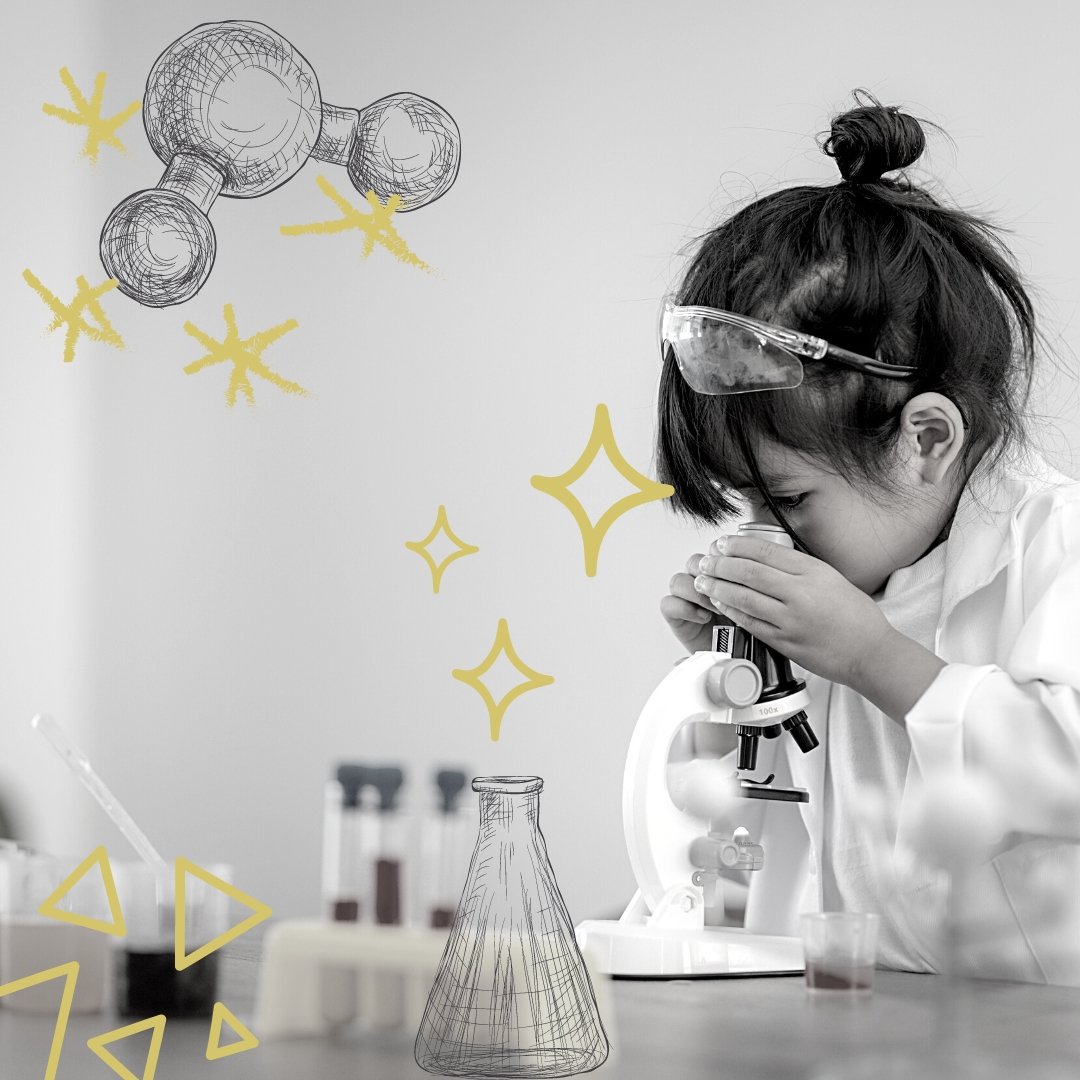
![A girl looking into a microscope]()
LISSI (Norway)
-
![a logo containing three blue and two orange circles connected in front of a black circle reminiscent of particles in front of a black hole]()
IMPRESS (CERN, Switzerland)
-
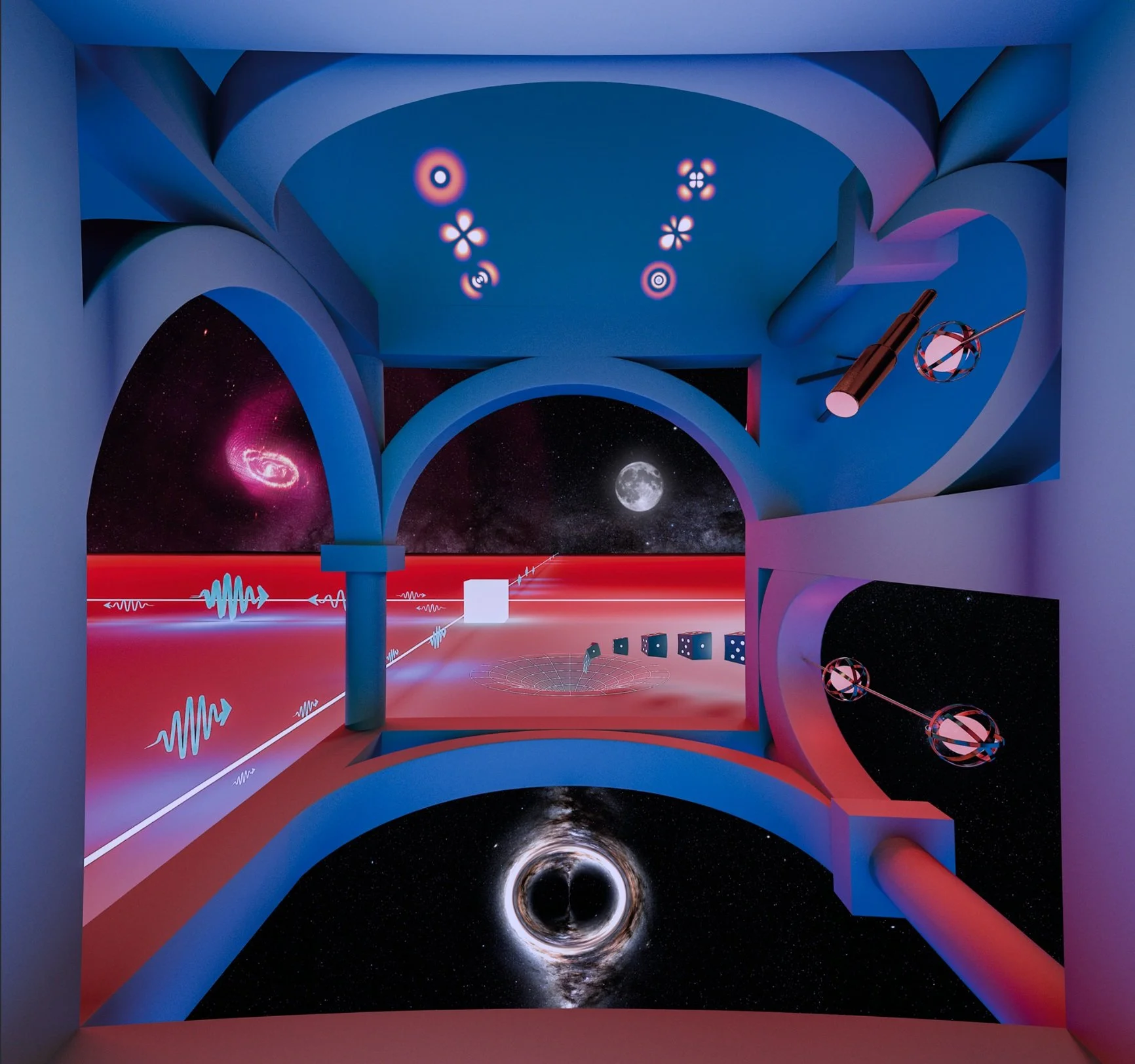
![Screenshot of the OzGrav virtual environment Bigger Than Big depicting a binary system of a neutron star and a pulsar]()
OzGrav (Australia)
-
![Cover of the book Teaching Einsteinian Physics in Schools showing several symbols of relativity and quantum physics]()
Einstein-First (Australia)
-
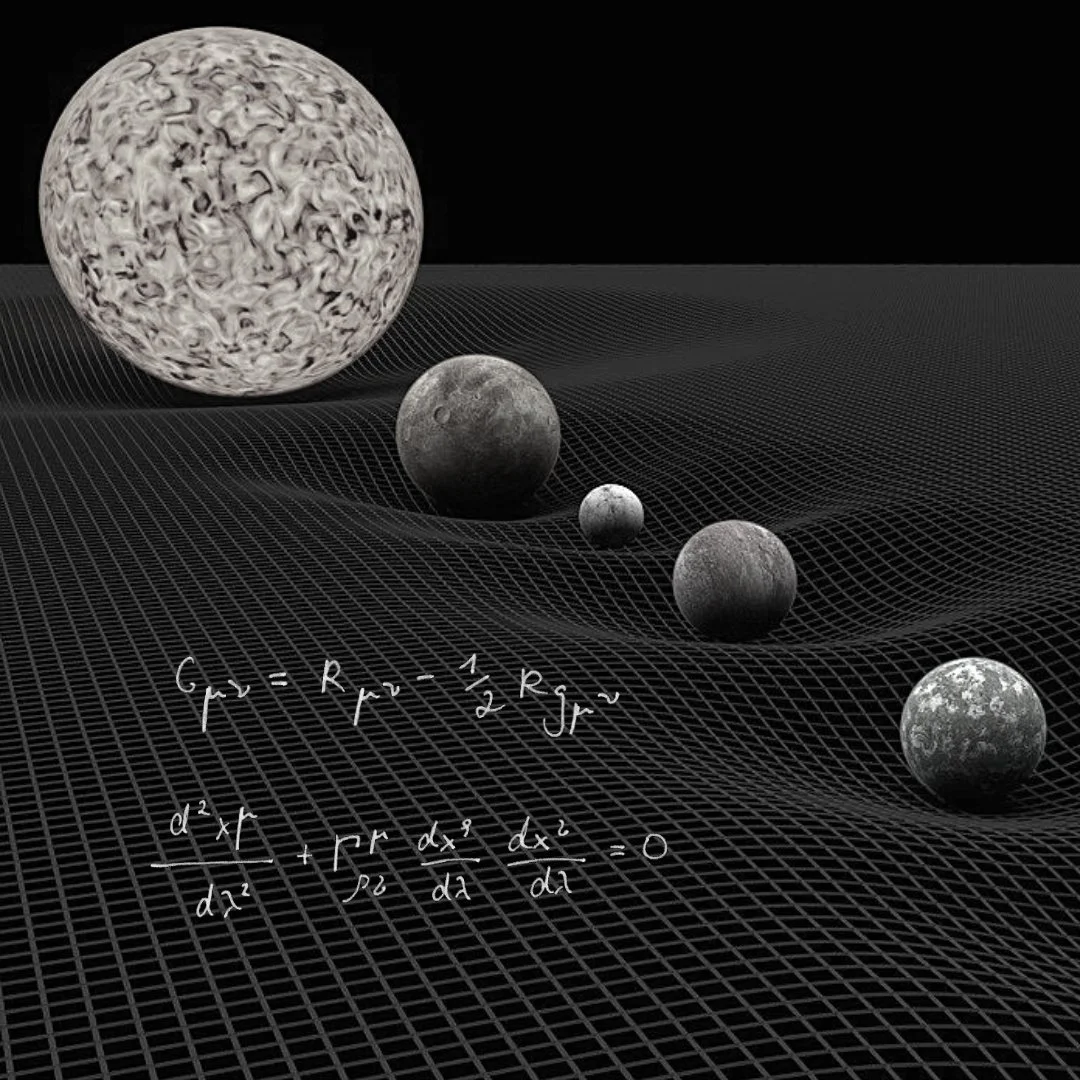
![A series of differently-sized planets deforming spacetime and the field equations of general relativity hovering in the front]()
ReleQuant (Norway)
-
![Image of Leonie Johann]()
STEM Education in Newton Rooms (Leonie Johann, Norway)
-
![Office meeting with employees working on laptops while holographic data and graphics float in the air.]()
Generative AI Network of Educational Researchers (Australia)
-
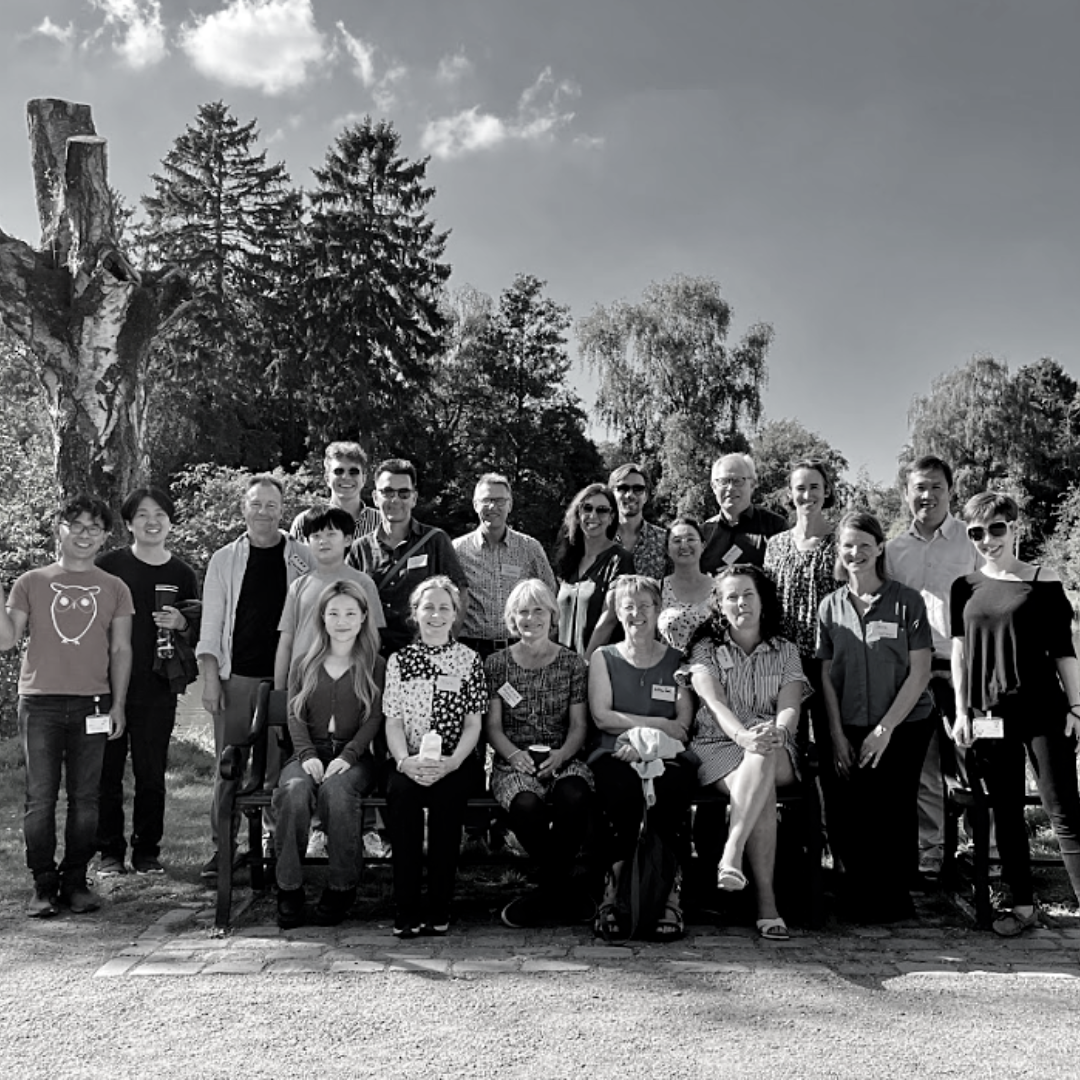
![ESERA Special Interest Group on Languages and Literacies in Science Education group picture. Group of people posing outdoors on a sunny day in a park with trees in the background, some holding drinks and wearing name tags.]()
Languages & Literacies in Science Education (ESERA SIG6)
-
![Charlotte Müller]()
Bodies in Science (Charlotte Müller, Switzerland)




Want more?
For my latest research, visit my Google Scholar profile.
Interested in collaboration or supervision opportunities? Get in touch 🙂